Digital Marketing Strategies in Tourism
Digital Transformation in the Tourism Sector
The tourism industry has undergone a major transformation due to digitalization. Travelers now manage every part of their journey—from making reservations to checking hotel reviews—through digital platforms. Therefore, tourism businesses must effectively utilize digital marketing strategies to gain a competitive advantage.
So, how should digital marketing be done in the tourism industry? Here is a comprehensive guide that explores digital marketing strategies in the tourism sector in detail.
Website Optimization: Your Digital Showcase
For tourism businesses, the website is the first point of contact with the customer. A user-friendly website must provide reliable information and be flawlessly mobile-friendly.
Engaging landing pages, high-quality visuals, and fast loading times help users stay longer on the site. In addition, SEO-friendly content ensures that the website ranks higher on search engines.
Simplifying the booking process and including customer reviews are essential for building trust.
Search Engine Optimization (SEO)
To succeed in the tourism industry, Search Engine Optimization (SEO) is indispensable. Potential customers use search engines like Google when planning their travels. At this point, it is important to create high-quality content that targets keywords related to hotels, tour packages, and destinations.
Organic traffic can be increased through blog posts, destination guides, and user reviews. With local SEO practices, especially if services are provided in a specific region, optimization must be done to appear at the top in map results.
Using SEO-friendly titles, meta descriptions, and alt tags can make the website more visible in search engines.
Social Media Marketing: Sharing the Experience
Social media platforms have become the center of visual storytelling for the tourism sector. Platforms like Instagram, Facebook, TikTok, and YouTube allow potential customers to learn about travel experiences through engaging visuals and videos.
User-generated content shared on social media supports word-of-mouth marketing. It also strengthens your brand through “social proof.”
By collaborating with influencers, you can reach your target audience in a more organic and trustworthy way. Social media advertisements, when customized using demographic data, increase the visibility of tourism businesses.
Remarketing Strategies
Search engines and social media platforms make it possible to reach your target audience directly. For hotels, tours, and holiday packages, targeted ad campaigns deliver high returns.
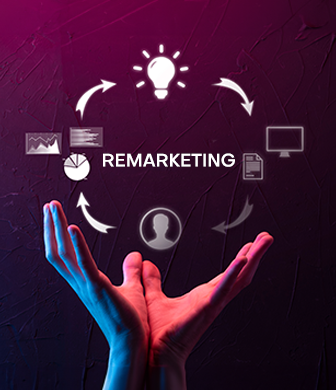
Moreover, with remarketing strategies, you can re-engage users who visited your website but did not complete their booking, thus increasing conversion rates.
Creating eye-catching ad campaigns with seasonal promotions is one of the most effective ways to improve conversions.
Thanks to the retargeting features of digital platforms, it is possible to reach potential customers living in specific countries or cities and use your advertising budget more efficiently.
Targeting Foreign Tourists and International Advertising
Digital marketing strategies in the tourism sector offer significant potential for reaching international markets. Especially in popular tourist destinations like Turkey, advertising campaigns targeting foreign tourists can significantly increase the number of inbound visitors.
Through Google Ads and social media platforms, you can select target countries and create tailored ad content for potential tourists from those regions. Ensuring that the ad language aligns with the culture and habits of the target audience enhances campaign success.
Additionally, regional targeting on platforms like Facebook and Instagram makes it possible to offer content that captures the interest of tourists.
Target Countries and Strategic Marketing
While developing digital marketing strategies in tourism, it is essential to analyze target countries and shape strategies accordingly.
Tourists from Europe, the United States, and Gulf countries represent a significant share of the Turkish tourism market. When creating digital advertising campaigns for these markets, highlight attractive features of the destination, cultural values, and vacation opportunities.
Also, running intensive ad campaigns before specific holiday seasons is an effective way to attract tourists and increase bookings.
Online Booking and Easy Access
A simple, fast, and user-friendly booking process is crucial for customer satisfaction.
Mobile-friendly booking systems and various payment options improve the customer experience and increase conversion rates. Sending an automatic thank-you email after booking is a simple yet effective way to increase customer loyalty.
Providing secure payment methods and ensuring a smooth user experience during the reservation process helps reduce potential booking cancellations.
Content Marketing: Share the Travel Experience
With blog articles, video guides, and destination reviews, it is possible to offer valuable information to potential customers.
By creating informative and SEO-friendly content that answers users’ questions, you can enhance the brand’s authority in the digital space. Updating content regularly and preparing seasonal content keeps the audience engaged.
Keyword research should be conducted to identify the topics that interest potential tourists, and content strategies should be shaped accordingly.
E-Mail Marketing to Build Customer Loyalty
Email marketing is an effective way to strengthen customer relationships. You can increase customer loyalty by sending regular newsletters about special offers, vacation packages, and updates.
Moreover, abandoned booking reminders are a highly effective strategy to encourage users to complete their bookings. Personalized emails offering exclusive deals help build long-term customer engagement.
Email marketing strategies play a critical role in retaining existing customers and acquiring new ones in the tourism industry.
Online Reviews and Reputation Management
Travelers place great importance on user reviews when choosing hotels or tours. Therefore, receiving positive feedback on platforms like TripAdvisor, Google Reviews, and Booking.com enhances brand credibility.
To increase customer satisfaction, reviews should be responded to quickly and professionally. Additionally, customer satisfaction surveys can help improve services continuously.
Positive reviews build trust for other potential customers, while professional and solution-oriented responses to negative reviews strengthen brand image.
Online Booking and Easy Access (Repeated for Emphasis)
A simple, fast, and user-friendly booking process is vital for customer satisfaction. Mobile-compatible booking systems and various payment options enhance the customer experience and improve conversion rates. Sending an automatic thank-you email after booking is an effective way to boost loyalty.
Offering secure payment methods and ensuring a seamless experience reduces the likelihood of booking cancellations.
OTA (Online Travel Agencies) and Metasearch Integrations
For tourism businesses, listing services on Online Travel Agencies (OTAs) such as Booking.com, Expedia, and Hotels.com provides access to a wider customer base.
These platforms increase brand credibility and directly impact booking numbers. Furthermore, metasearch engines (such as Trivago and Google Hotel Ads) allow potential customers to compare prices across different OTAs and choose the best option.
Integrating with these types of platforms enhances visibility and strengthens competitiveness.
Get Ahead in Competition with Digital Transformation
Effectively implementing digital marketing strategies in the tourism industry is the key to improving the customer experience and standing out from competitors.
With the right strategies, both customer satisfaction and brand awareness can be enhanced. To succeed through digital marketing strategies in tourism, strategic and goal-oriented steps must be taken, helping businesses unlock their full growth potential.
Note: We also offer support in OTA and metasearch integration to help strengthen your business's digital booking infrastructure. For detailed information and consulting services, feel free to contact us.